



Game Overview
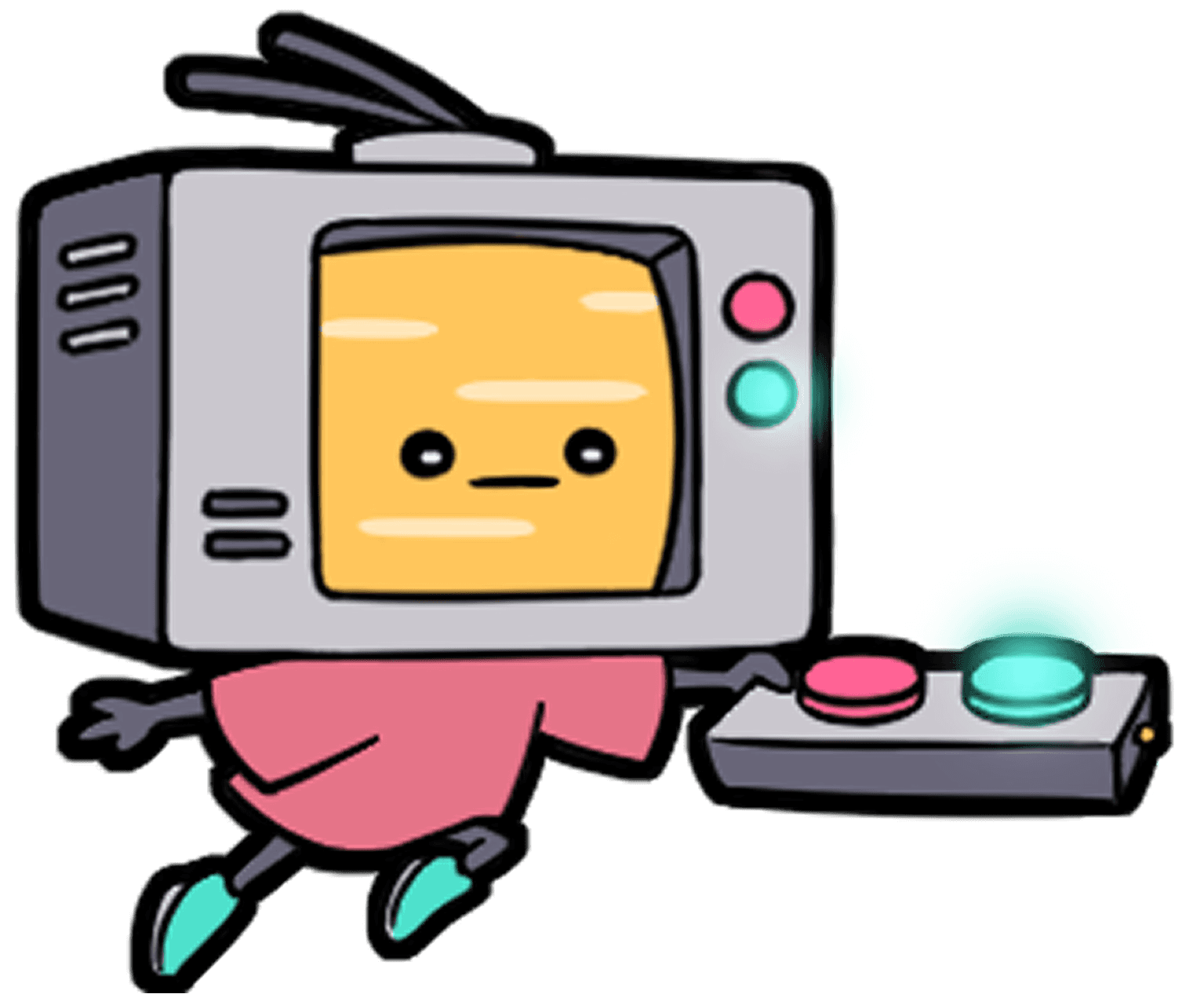
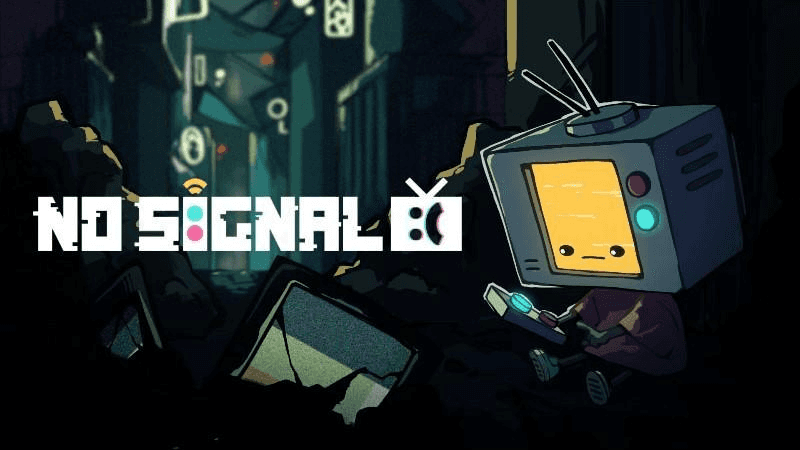
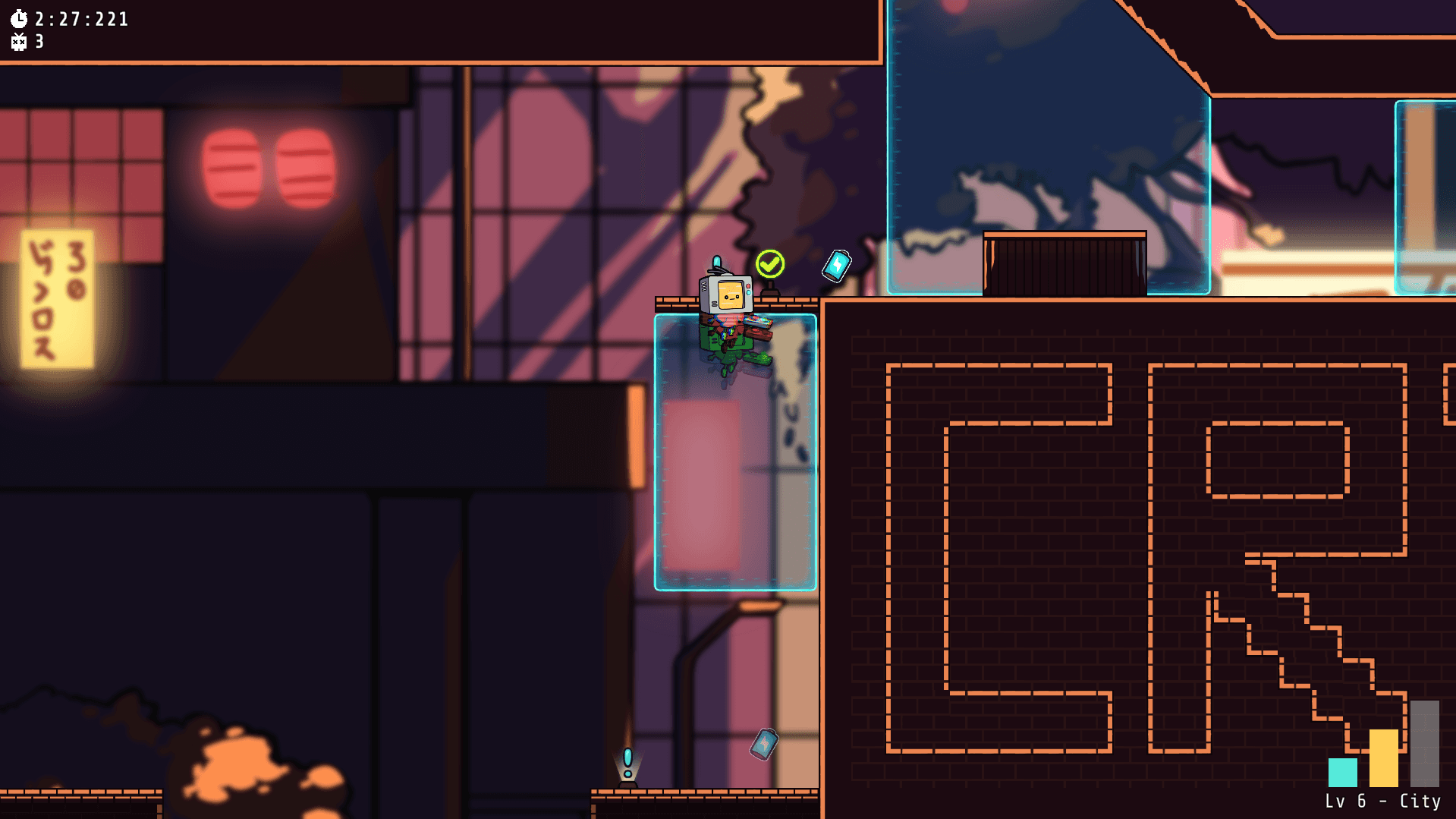
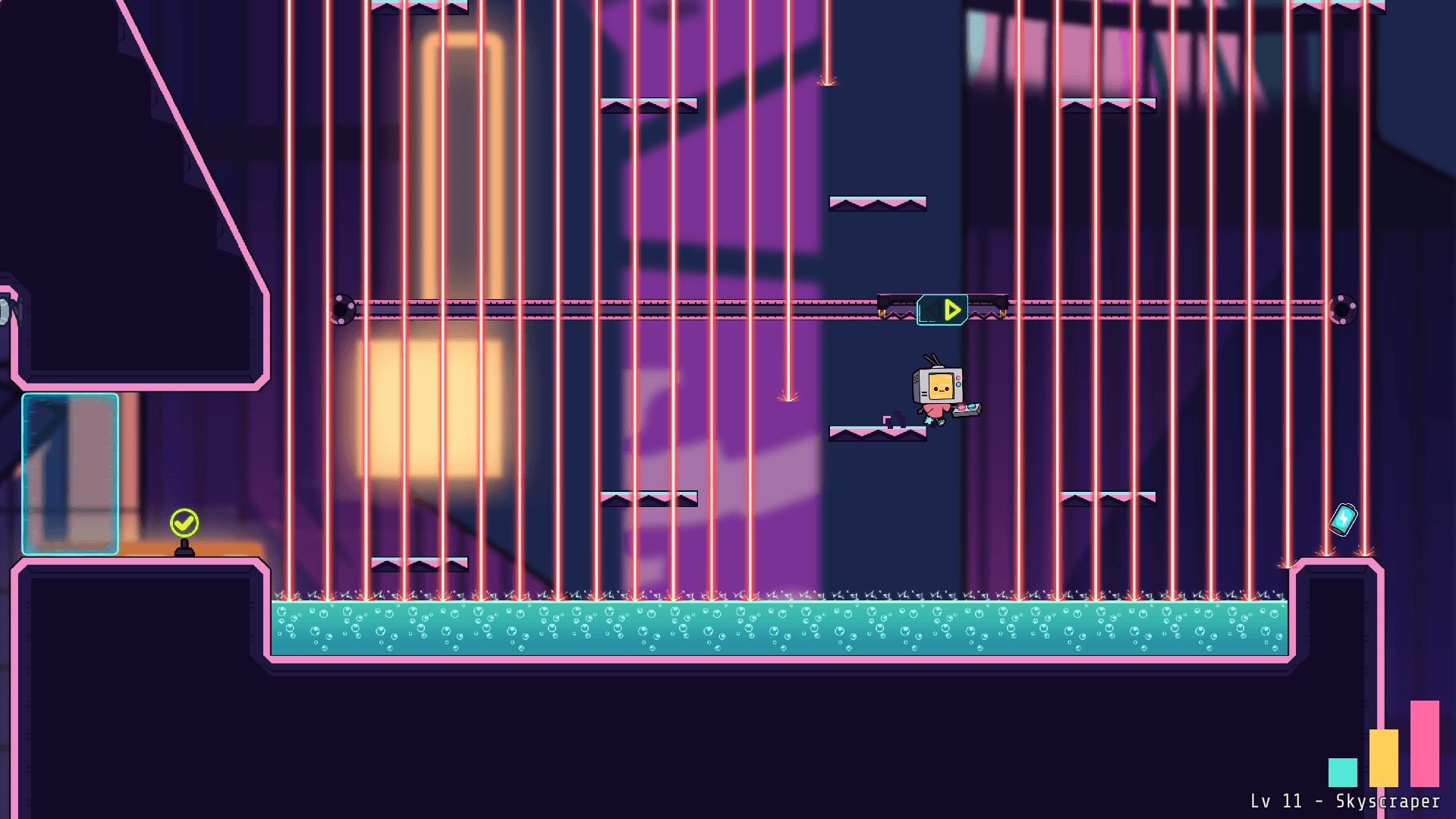
No Signal is a 2D platformer game that offers a unique blend of challenging gameplay and puzzle elements. Play as CRT-15, whose desire is to watch TV, but everything just seems to be against him. Embark on a journey for signal and navigate through the dangerous slums and city.
Not all hope is lost though, as the frequency of his remote matches that of his surroundings, allowing him to toggle the objects throughout the environment to his advantage. Will climbing to the top be worth the trouble? Or will he lose his signal?
Learning Summary
State Machines
During the process of creating this project, I've learnt more about state machines and how they're utilized, all of which are implemented in the player's states as well as the game system manager.
Difficulty Matrix
Given that this level-by-level platformer is in need for elements to challenge the player, my team and I utilized a difficulty matrix and ideated on how we could utilize and mix game mechanics in ways that are not only challenging, but intuitive as well without being unnecessarily punishing.
Roles & Contributions
Game Director & Coordinator
As the director of the game, I coordinated with the programmer who prioritized functionality and implementation while simultaneously coordinating with the artists who had their own creative visions and personal flairs they wanted to include.
Audio Production & Level Design
While my programmer and artists worked on their allocated workload, I took on the role of creating any audios that required production or finetuning.
I also collaborated with the programmer to work on level design and implementing them into Unity using the engine's Tile Management System
Quality Assurance Play-Testing
We believe that the game should cater to players of all skill levels. Among our team member's QA testing, I represent the decent / expert level of players while our last team member represents the population of players who are less-exposed to challenges posed by similar titles.
Development Process
Alpha Production
At the start of development, priorities were focused on developing the fundamental mechanics of the game and the core game loop.
All the assets used were draft tile assets, and that allowed us to create tile map level mockups. The artists were able to provide a draft sprite of the player character, which became our placeholder player entity.
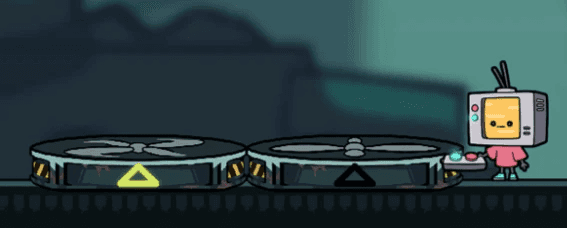
The core mechanic of the game is that the player has the ability to toggle the environment around themselves. Toggling the environment will reflect on the player by the light on his head and remote.
Ensuring this mechanic was implemented before the alpha release was a top priority during the development period, as it was the mechanic that made the game special.
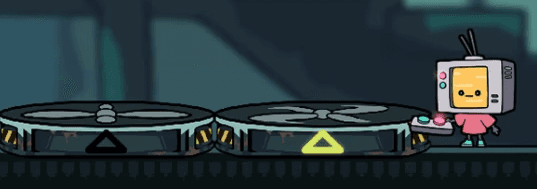
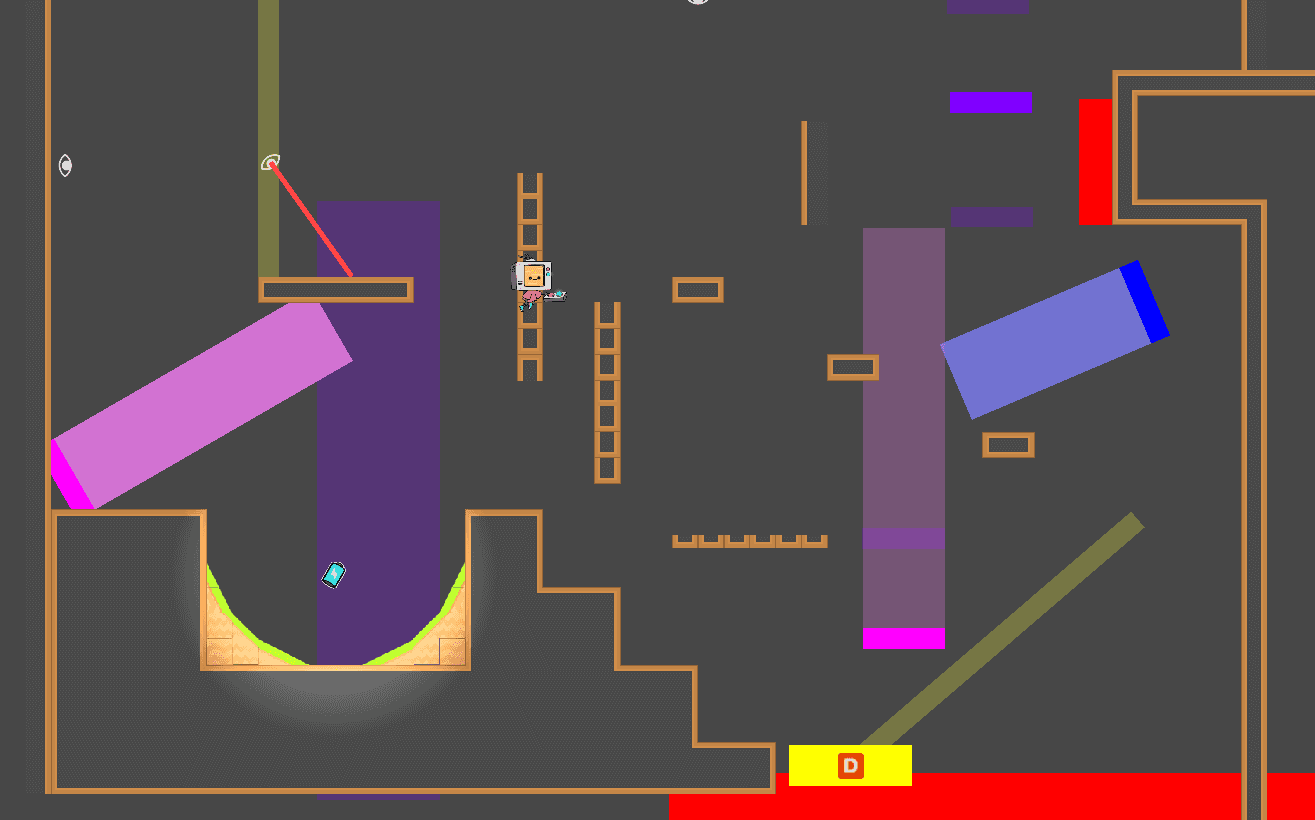
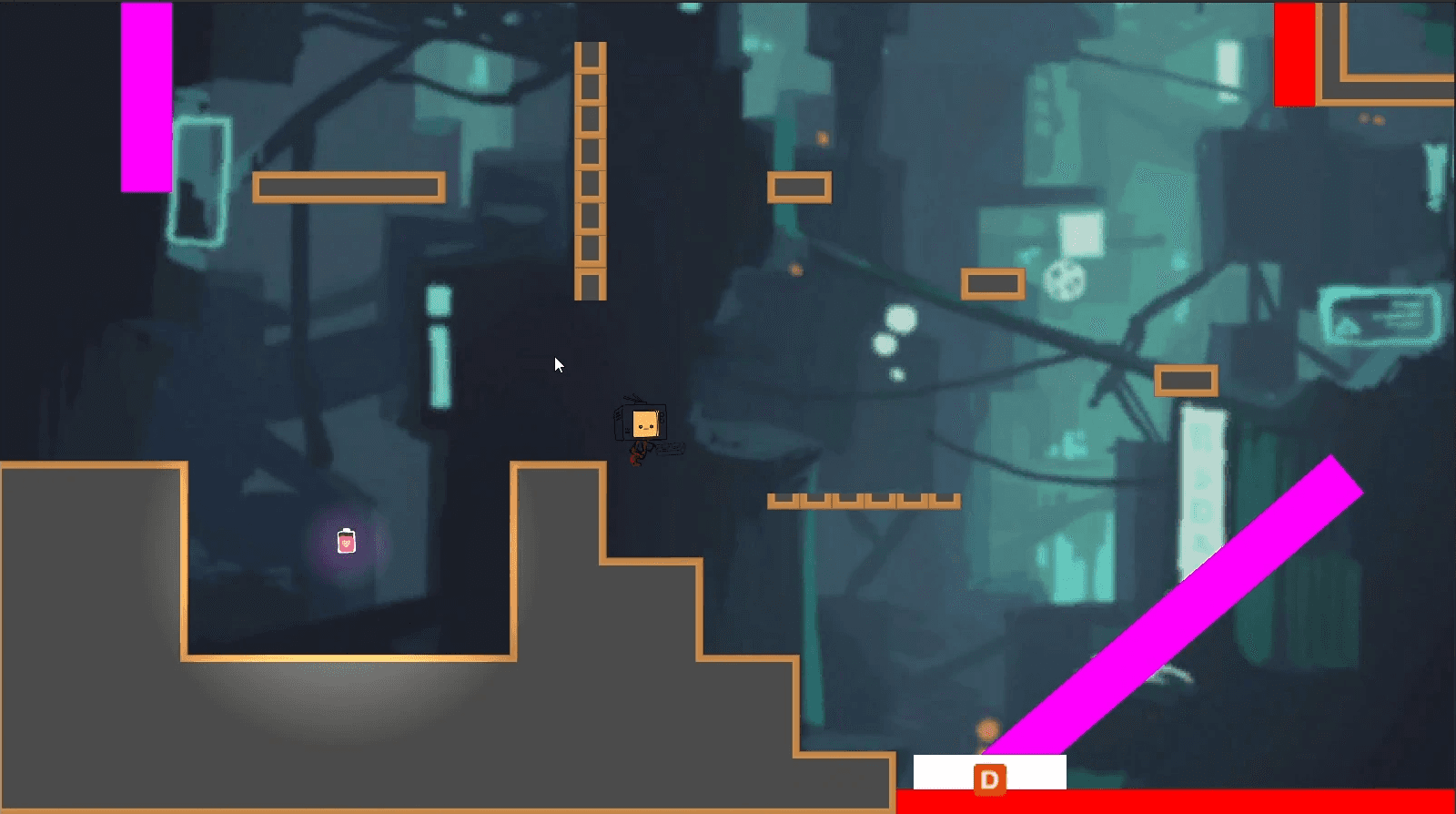
While creating the mechanics, we integrated and tested them in a sandbox level. It would showcase every aspect of the game that had already been developed and works for playtesting each feature to relevant extents, including how different obstacles would work with one another.
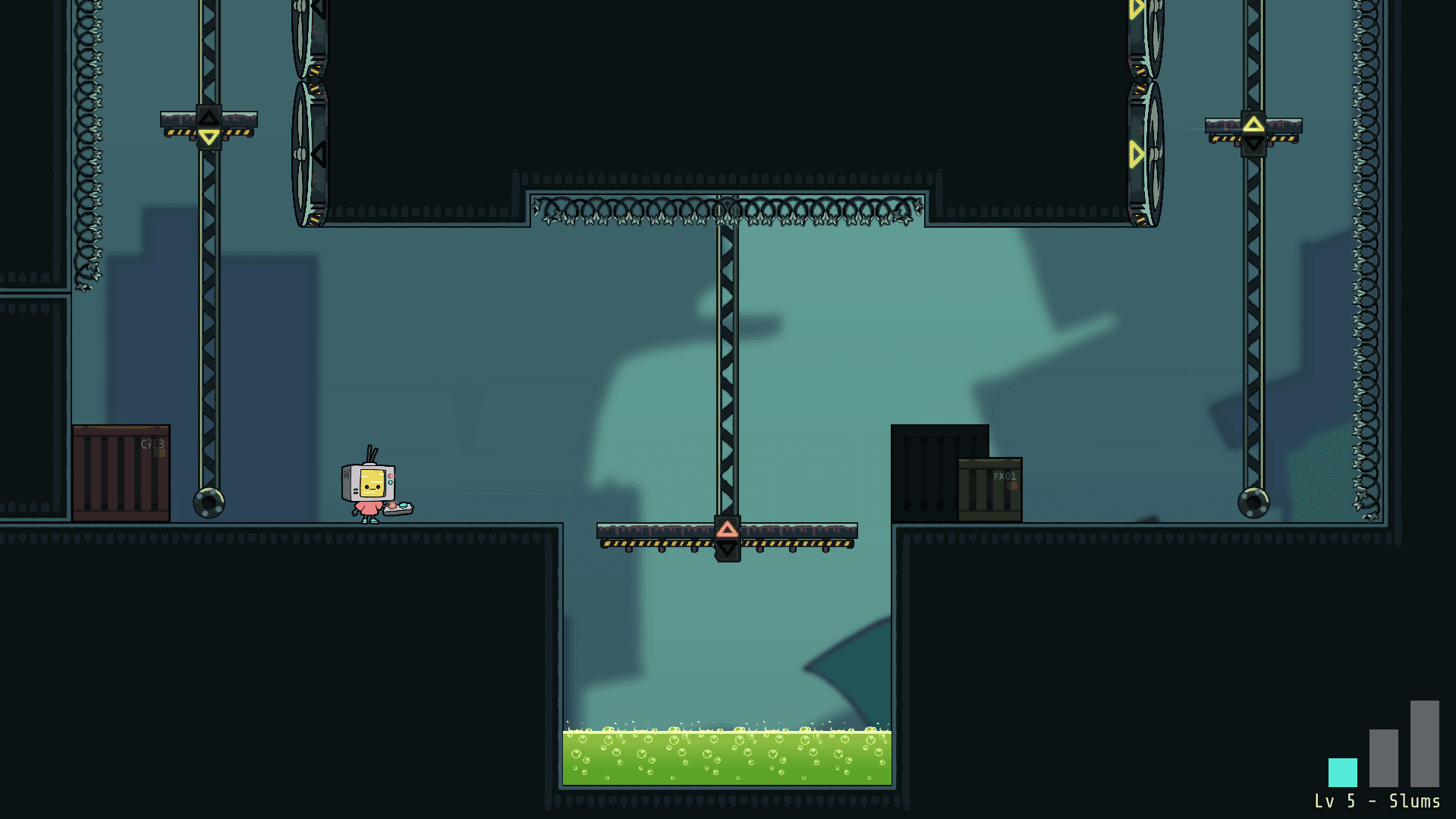
The level would at that point feature interactions such as ladders, lasers, moving platforms, and many more, all of which are color-coded differently
Beta Production
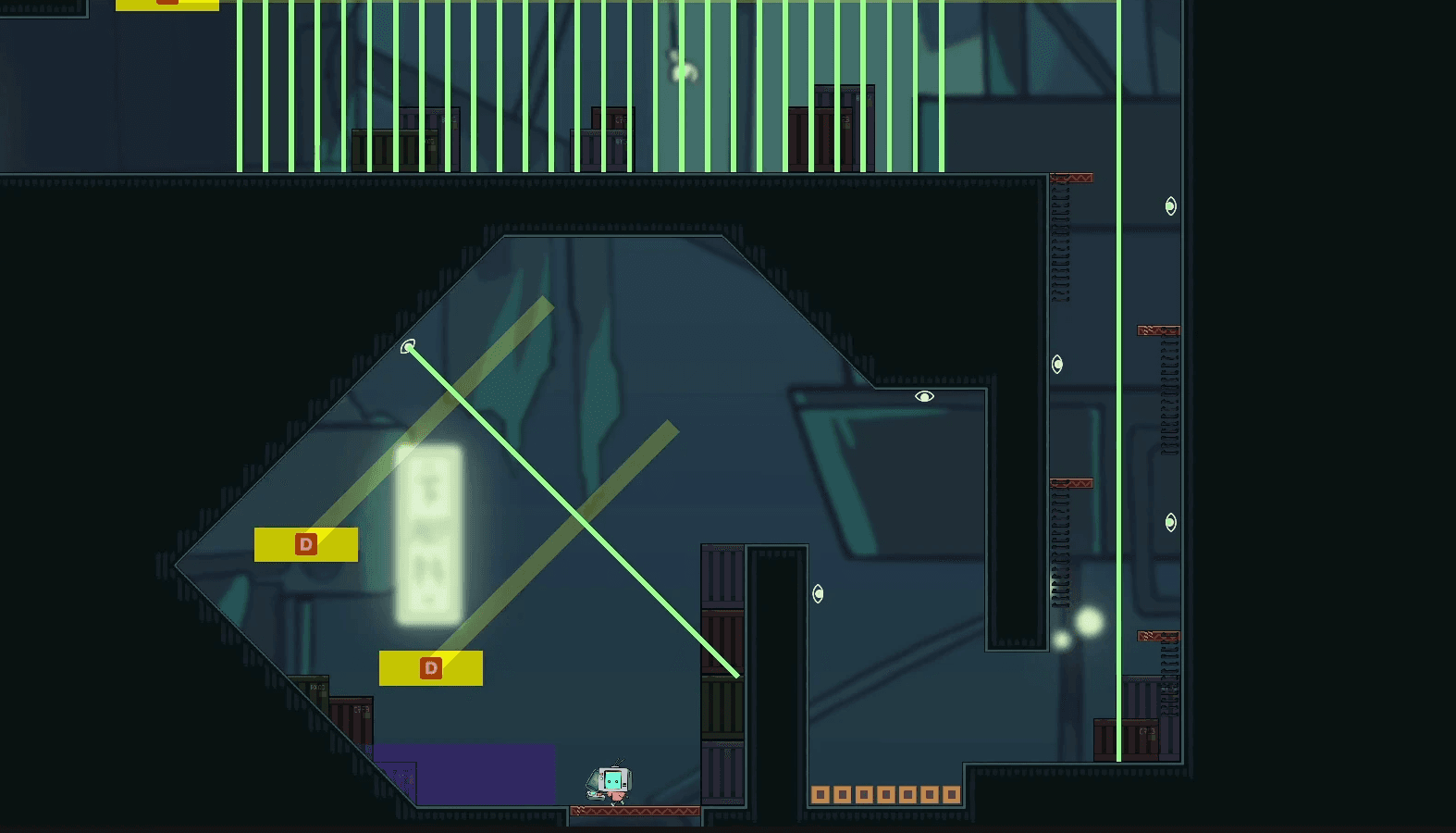
The first step towards beta development was to incorporate level design, as well as a learning curve into it. When designing levels, the team and I came up with a custom difficulty matrix for our game. Based on how difficult it is for a player to interact with these mechanics, we incorporate two or 3 mechanics in a fashion where the difficulty score on the matrix increases with each passing level.
After identifying and filtering the features that would provide a sufficient difficulty curve with each level, we got down to designing the levels utilizing those features. The following images below are some finalized designs of the first few levels, directly connected to one another.
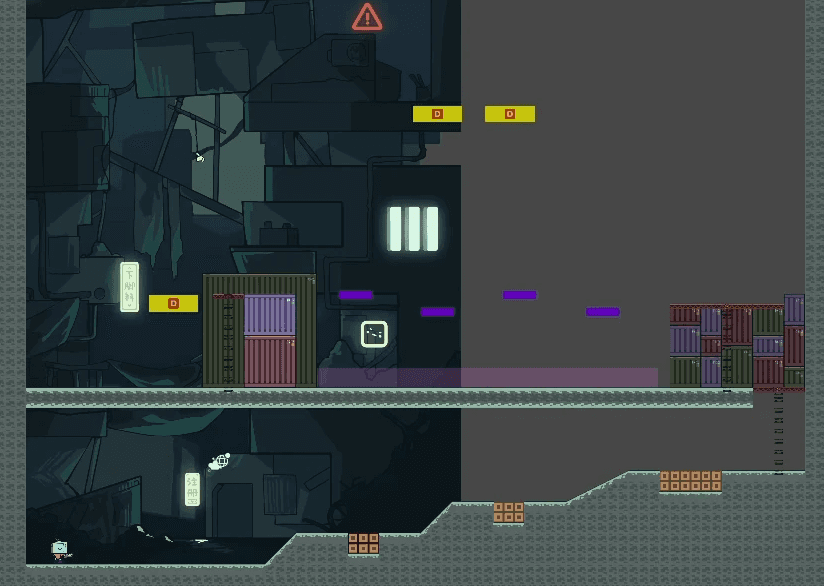
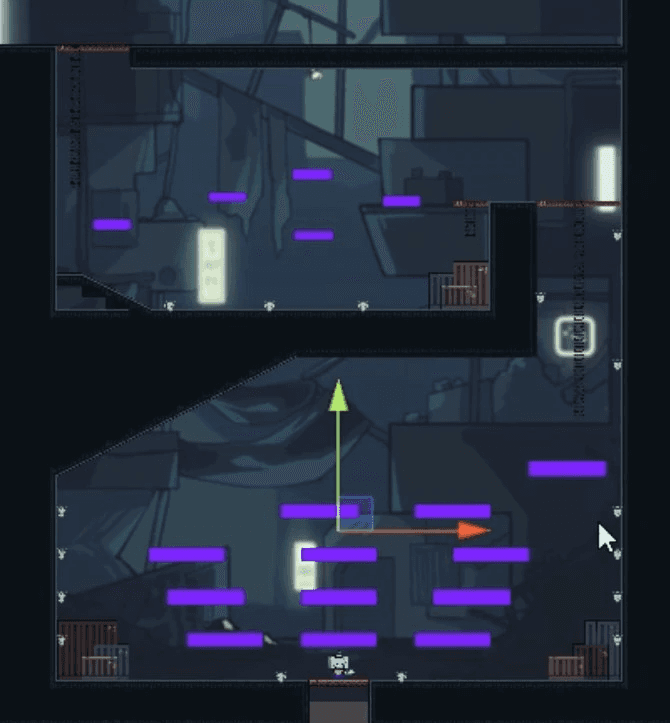
During this phase, audio was also a feature that was required before release. Working with the audio designer, I ensured that the sound effects were viable for use, making use of various DAW softwares such as Audacity and Ableton to modify and create sounds and tracks.
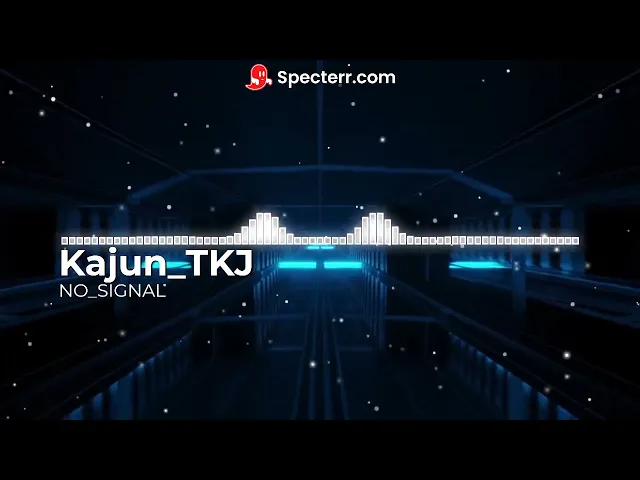
While the audio designer sourced for sound effects, I focused on creating the soundtrack for the game. Embedded below is the No Signal OST published on my YouTube account.
Gold Production
For the last phase of development, new environment assets were provided and we started creating more levels than we originally had. Since this new area has new mechanics, we reviewed the mechanics available in the level by reproducing a difficulty matrix to plan for a progressive difficulty curve.
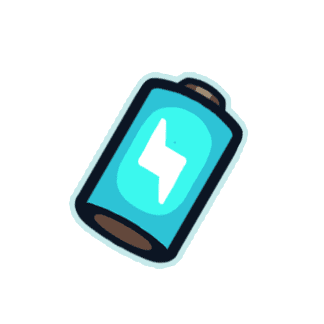
In the new area, traversal focuses on a dashing mechanic that comes in the form of a pick-up battery. By obtaining this battery, the player would be granted a single dash charge.
With this mechanic being core to the gameplay in the new area, the level designs had to revolve around this pick-up, including all other mechanics that work against the player.
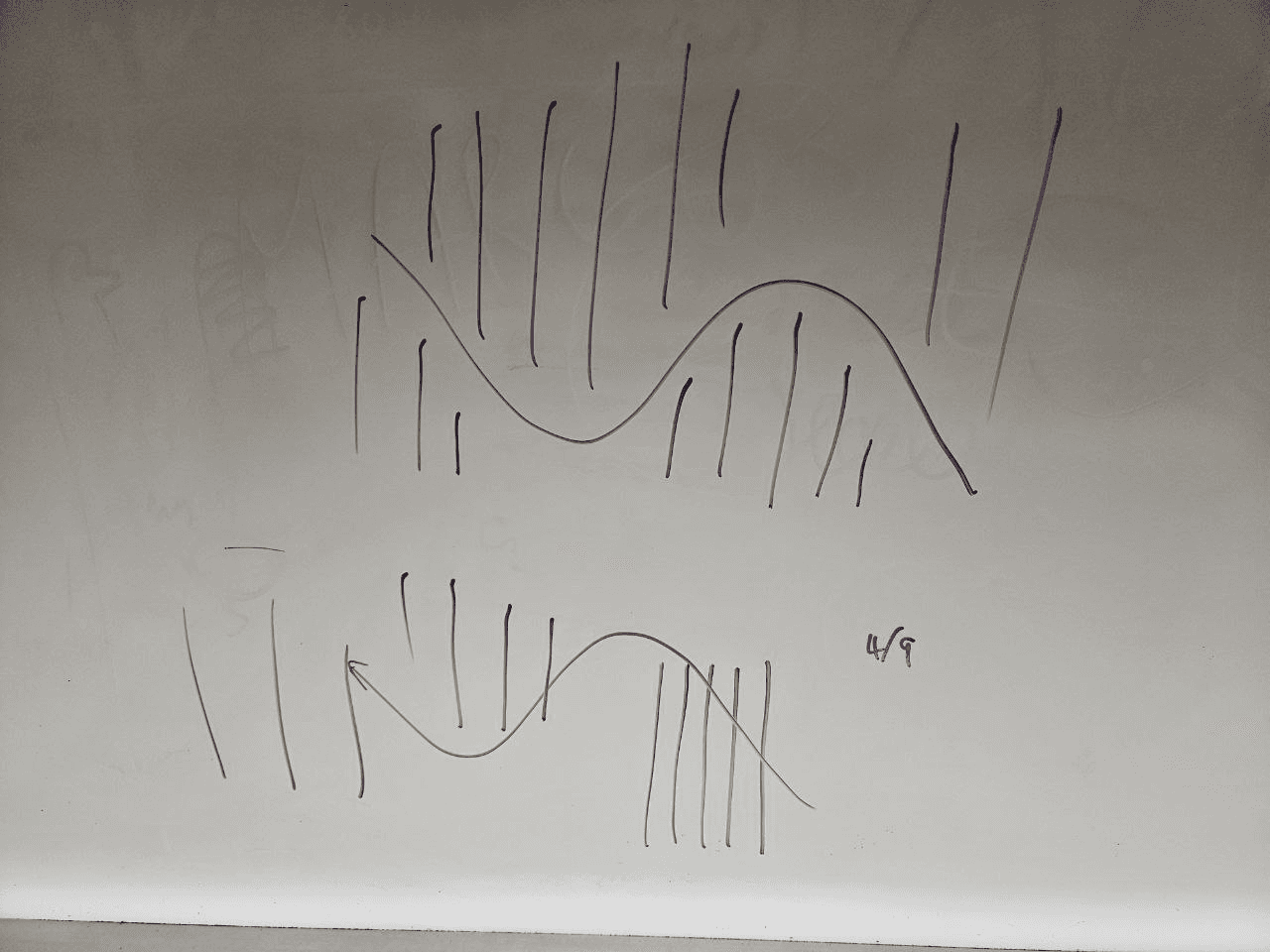
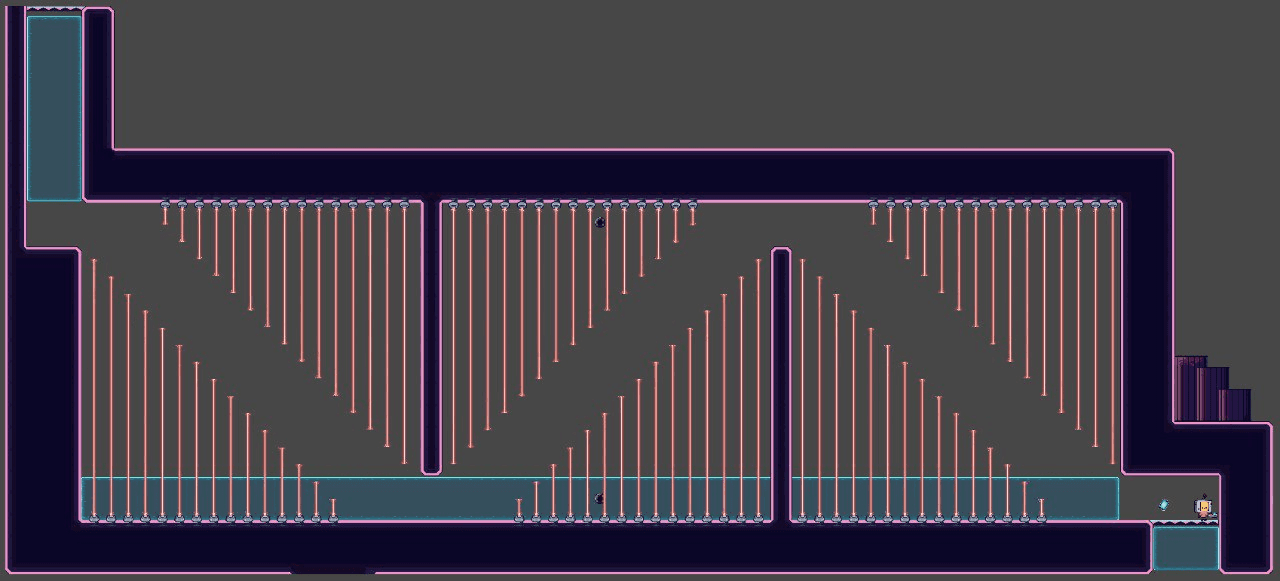
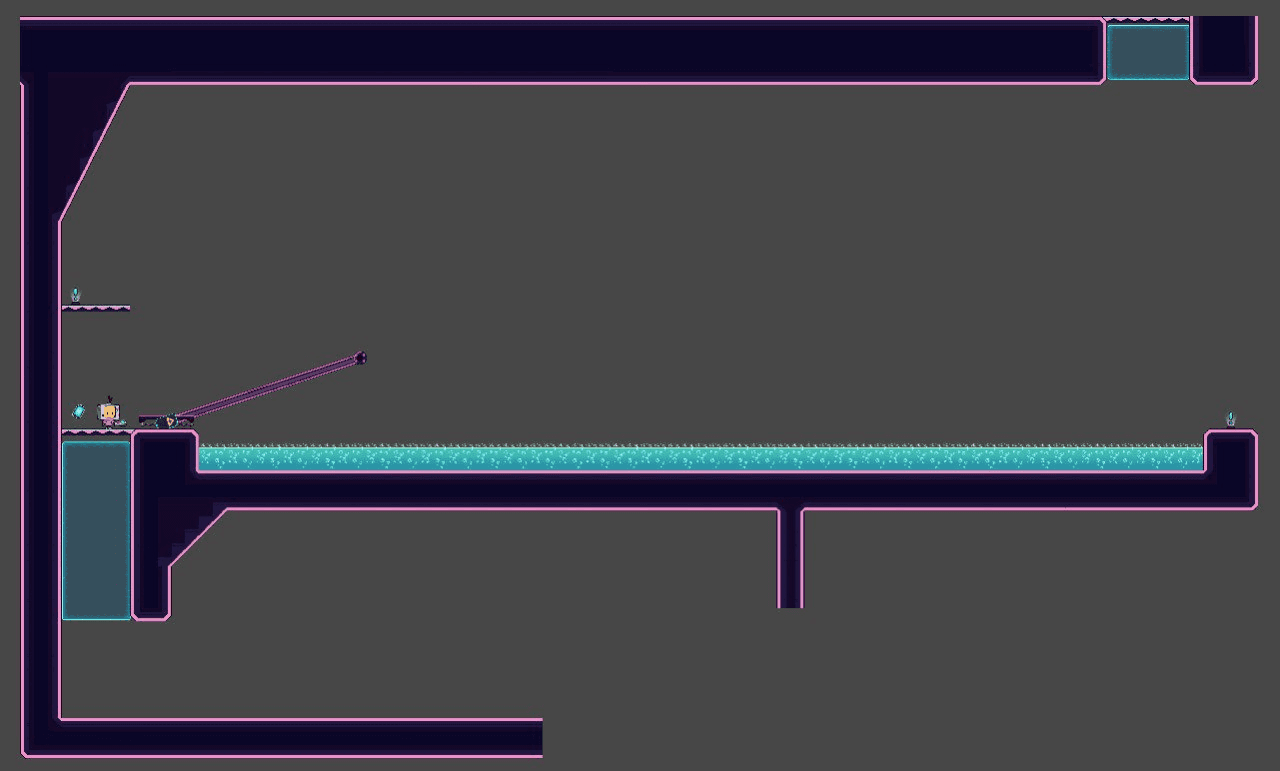
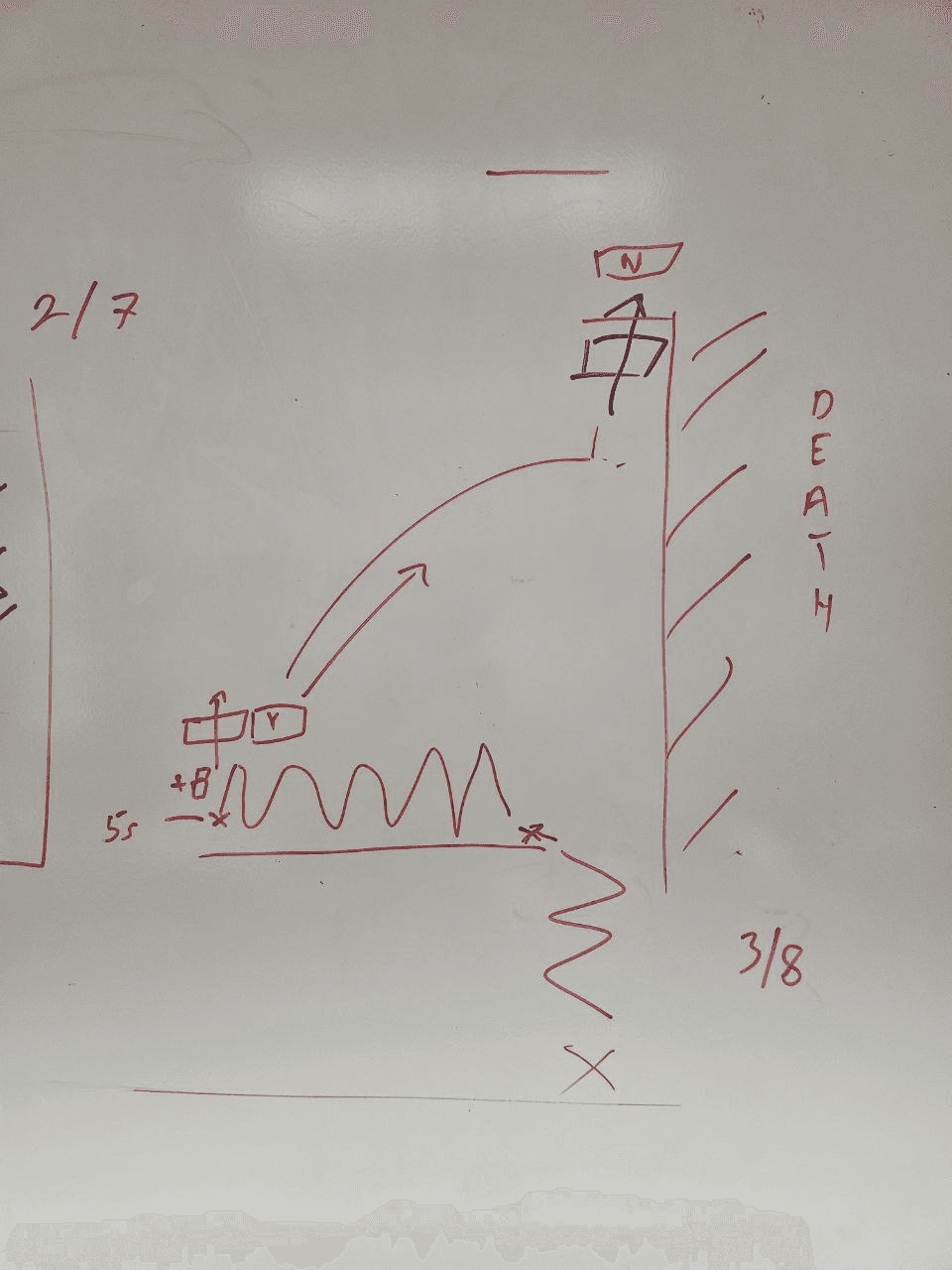
After reviewing the matrix and brainstorming, we drafted out some level ideas, debating among ourselves on why certain levels may not have worked as intended. The following drafts were some of the levels and their final designs that passed internal reviews and were drafted out to real levels.
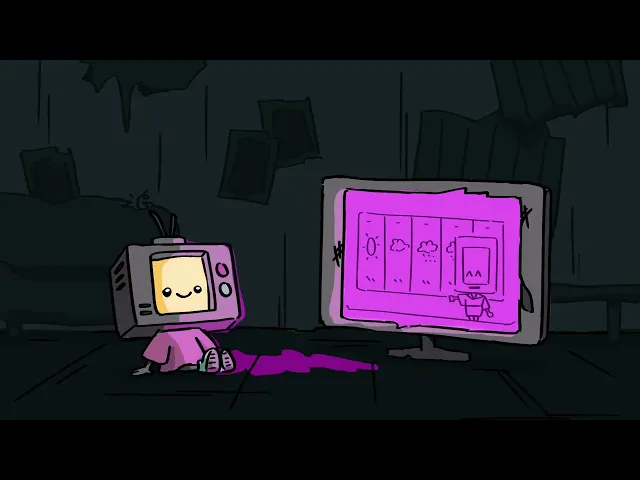
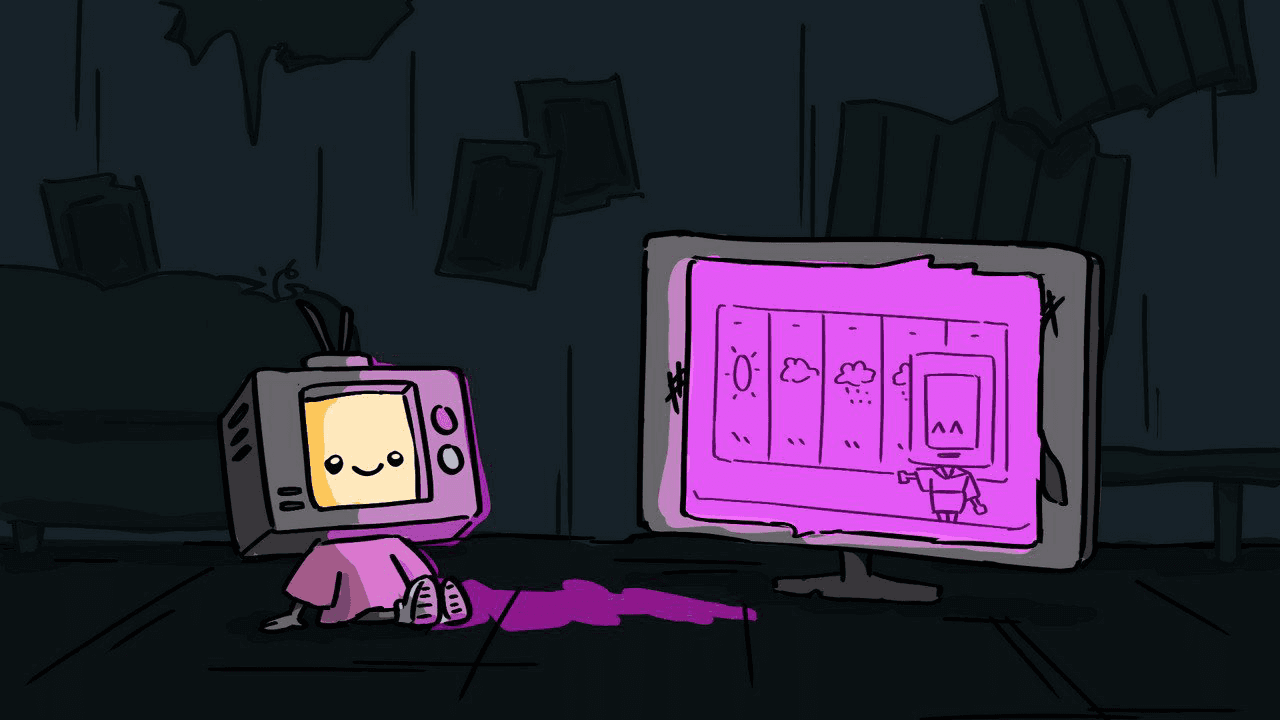
Towards the end, we decided that we needed cutscenes to better showcase the narrative of the game. In the process, we also decided that we should voice over the television since people actually do watch televisions with sound.
I did the voiceover recording for the television playing in audacity, and they are reflected within the game.
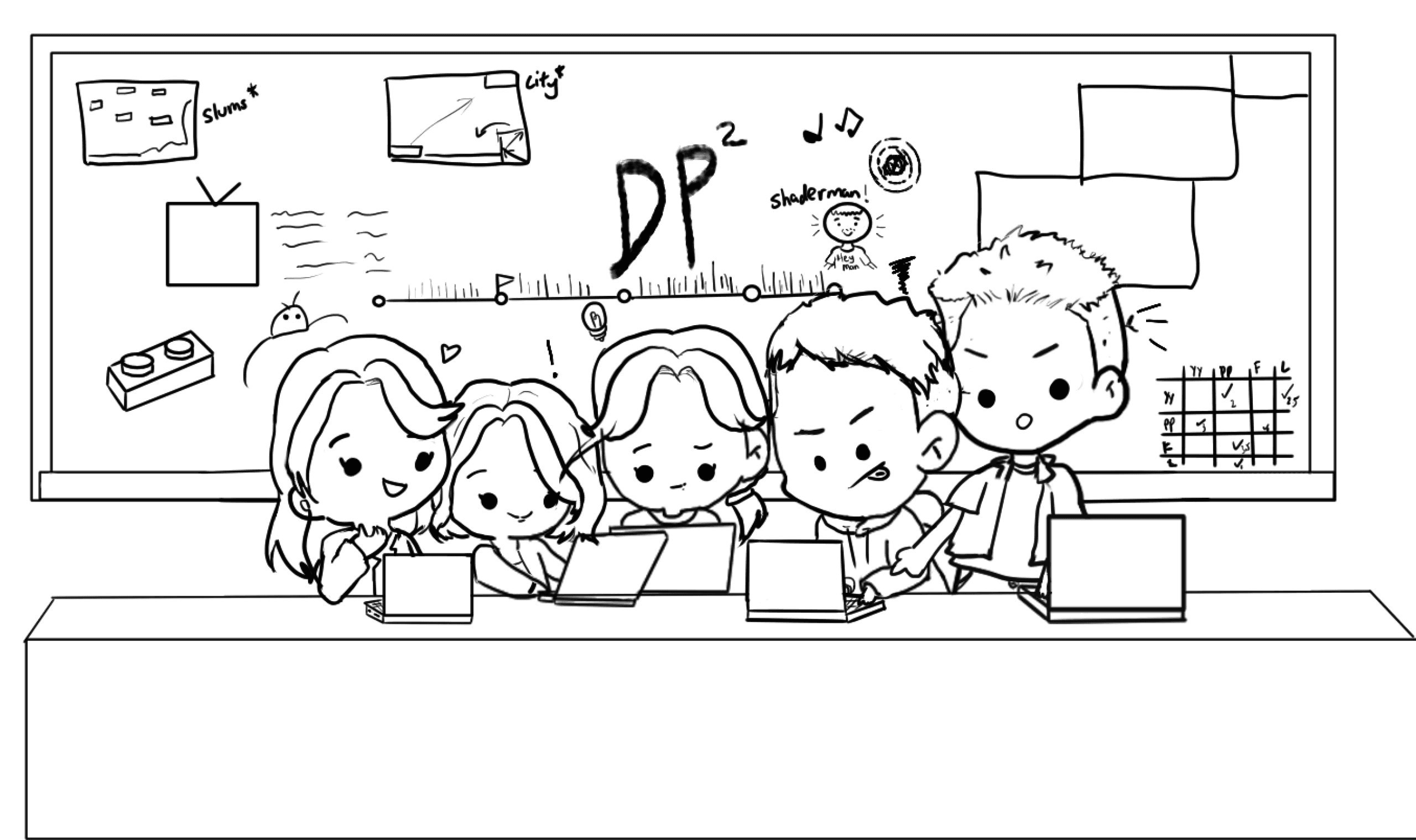
This marks the end of the development of No Signal, as well as the story of CRT-15 and his journey for signal! Remember to give it a try! You can download it from the DigiPen Games Library by following the button below!