
DigiPen Institute of Technology, Singapore
Teaching Assistant
Overview
My time as a Teaching Assistant at DigiPen was both insightful and eye-opening. Supporting students gave me the chance to see game development from a different perspective — not just as a creator, but also as a mentor helping others build their ideas. I learned how to break down complex concepts into approachable steps, adapt my communication to different learning styles, and appreciate the challenges that come with guiding someone else’s creative process. The experience not only deepened my own understanding of game design and development, but also reinforced how much collaboration and knowledge-sharing matter in this field.
Jan 2024 - Apr 2024 (Spring 2024)
System Design Methods
In the Spring trimester of 2024, I was given my first opportunity to serve as a Teaching Assistant, helping my peers navigate and engage with the course material. As a designer among a class of engineers, my role was to bridge the gap between theory and practice, guiding students through the core reference text, "Pattern Language for Game Design" by Chris Barney. Together, we explored the identification and application of design patterns, discussing how these recurring solutions could shape more thoughtful and engaging gameplay experiences.
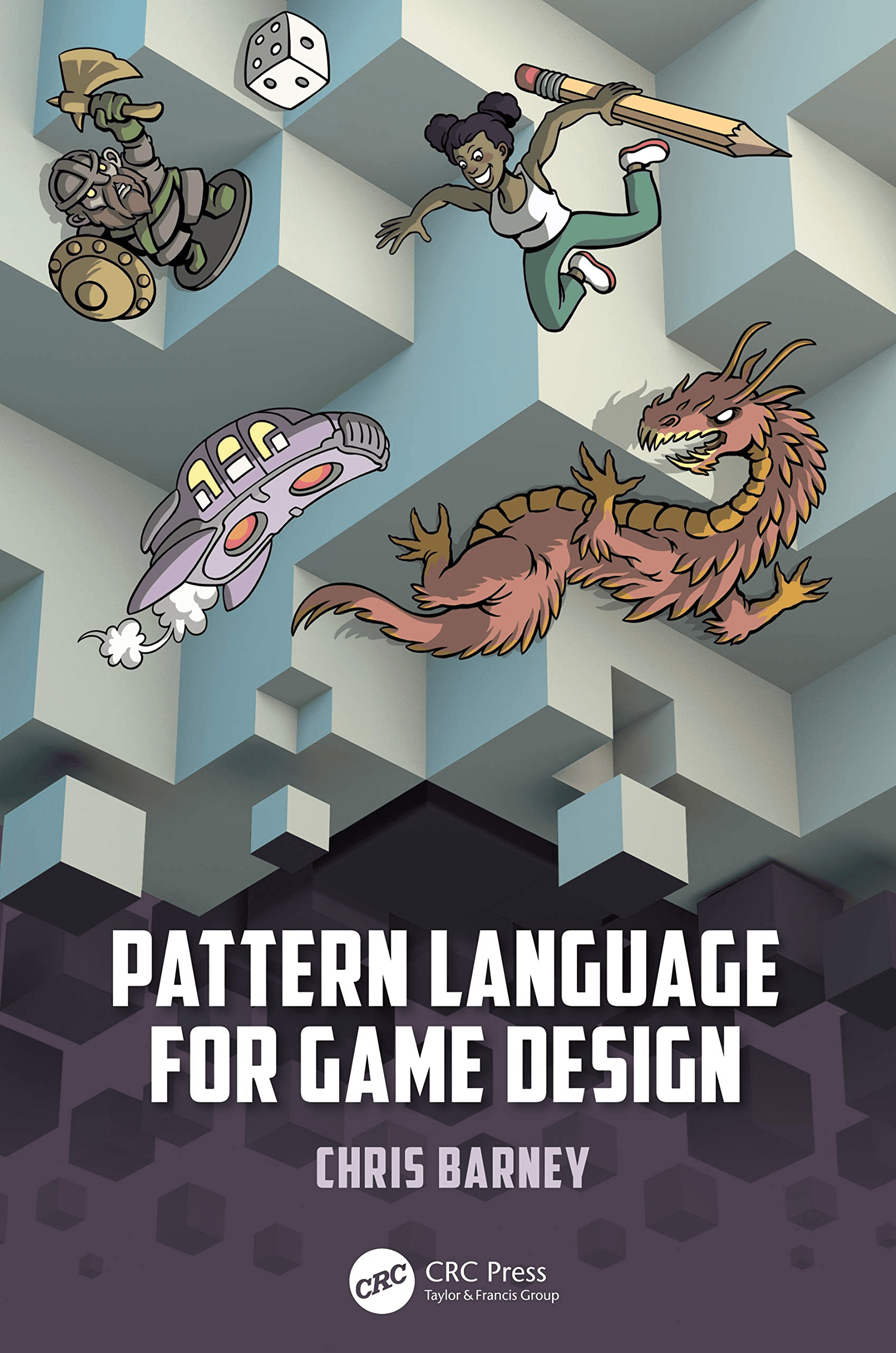
This experience allowed me to deepen my own understanding of game design principles while learning how to communicate complex ideas clearly and empathetically, adapting my explanations to different learning styles and perspectives. Being able to support my peers not only strengthened my analytical and interpersonal skills but also gave me a renewed appreciation for collaborative learning in the creative process.
After reading this book, one of my key takeaways include this quote:
Design is not just about aesthetics; it's about creating meaningful experiences
This perspective shifted my approach to teaching. Beyond focusing on technical skills, I emphasized the importance of crafting experiences that resonate with players. This holistic view enriched my interactions with students, encouraging them to consider the emotional and narrative aspects of game design.
Introduction to Digital Production
At the same time, I had the opportunity to serve as a Teaching Assistant for first-year students. In this role, I guided my juniors through the early stages of game development, helping them refine their concepts and providing oversight as they brought their ideas to life in Unity. I also assisted them in navigating C# scripting, breaking down technical challenges into approachable steps and offering practical solutions. This experience gave me the chance to connect with my juniors on a personal and professional level, supporting their growth while reflecting on my own understanding of development workflows. Being part of their learning journey was rewarding, as I could witness the moment ideas evolved into functioning projects and help foster their confidence in the creative and technical aspects of game design.
Sep 2024 - Apr 2025 (Fall 2024, Spring 2025)
Technical Design Methods
In this module, we focused on creating user-friendly and intuitive designs. In this position, I guided students by offering feedback on how their designs might be perceived by different audiences, helping them gain fresh perspectives and refine their user experience decisions. Additionally, I had the opportunity to assist lecturers in evaluating student activities, which allowed me to develop a sharper eye for assessing design quality and effectiveness. This experience strengthened my ability to provide constructive critique, reinforced the importance of empathy in design, and deepened my understanding of how thoughtful technical decisions contribute to engaging, accessible experiences.
Project 2
Over the course of two trimesters, I had the opportunity to serve as a Teaching Assistant for Project 2, a major game development module guiding students through both prototyping and full production. In the first phase in 2024, I assisted students as they drafted ideas and built Unity prototypes, providing support wherever needed, from debugging mechanics to implementing core gameplay systems. This allowed me to put my Unity expertise into practice while developing my ability to communicate technical concepts clearly and guide peers through problem-solving processes.
In the subsequent trimester, I continued to mentor students as they progressed toward creating commercial-quality games using a custom engine. My role involved assessing project scope, ensuring that students could complete their games within the limited timeframe, and providing feedback on design depth and production quality. Being involved throughout the full lifecycle of the project allowed me to witness ideas evolve from rough prototypes into polished, playable experiences, while honing my skills in mentorship, evaluation, and fostering a collaborative and growth-oriented learning environment.
User Interface and User Experience Design
During the Spring trimester of 2025, I had the privilege of serving as a Teaching Assistant for the User Interface and User Experience Design module. In this role, I supported the lecturer in helping students gain a clearer understanding of the course materials while offering insights from a designer’s perspective. I guided students in reviewing their work, encouraging them to consider usability, clarity, and user-centric design principles. Additionally, I assisted in grading student submissions, which allowed me to evaluate their grasp of key concepts and provide constructive feedback. This experience strengthened my ability to communicate design thinking effectively, fostered an empathetic approach to evaluating user experiences, and reinforced the importance of balancing creativity with usability in design.
Conclusion
Serving as a Teaching Assistant at DigiPen across multiple modules was an incredibly rewarding and eye-opening experience. It allowed me to engage with students at different stages of their learning journey, from first-year introductions to complex game production projects, and to contribute to both their technical growth and creative development. Throughout this journey, I honed my ability to communicate complex ideas clearly, provide constructive feedback, and guide peers with empathy and patience. Beyond strengthening my technical skills in Unity, C#, and design principles, this experience reinforced the value of mentorship, collaboration, and the iterative process of learning — lessons that continue to shape how I approach both game development and teamwork in any creative environment.