Freelance - Aunty Fatso
Freelance UX Designer
Overview
In this role, I worked directly with the client to understand their goals, brand identity, and target audience. I learned to translate their needs into actionable design solutions, going beyond just aesthetics to convey the strategic value of a design. Each project required me to not only craft a logo or interface but also to articulate why the design would resonate with users and contribute to the client’s business objectives. This experience strengthened my skills in client communication, negotiation, and translating abstract ideas into concrete, market-ready concepts.
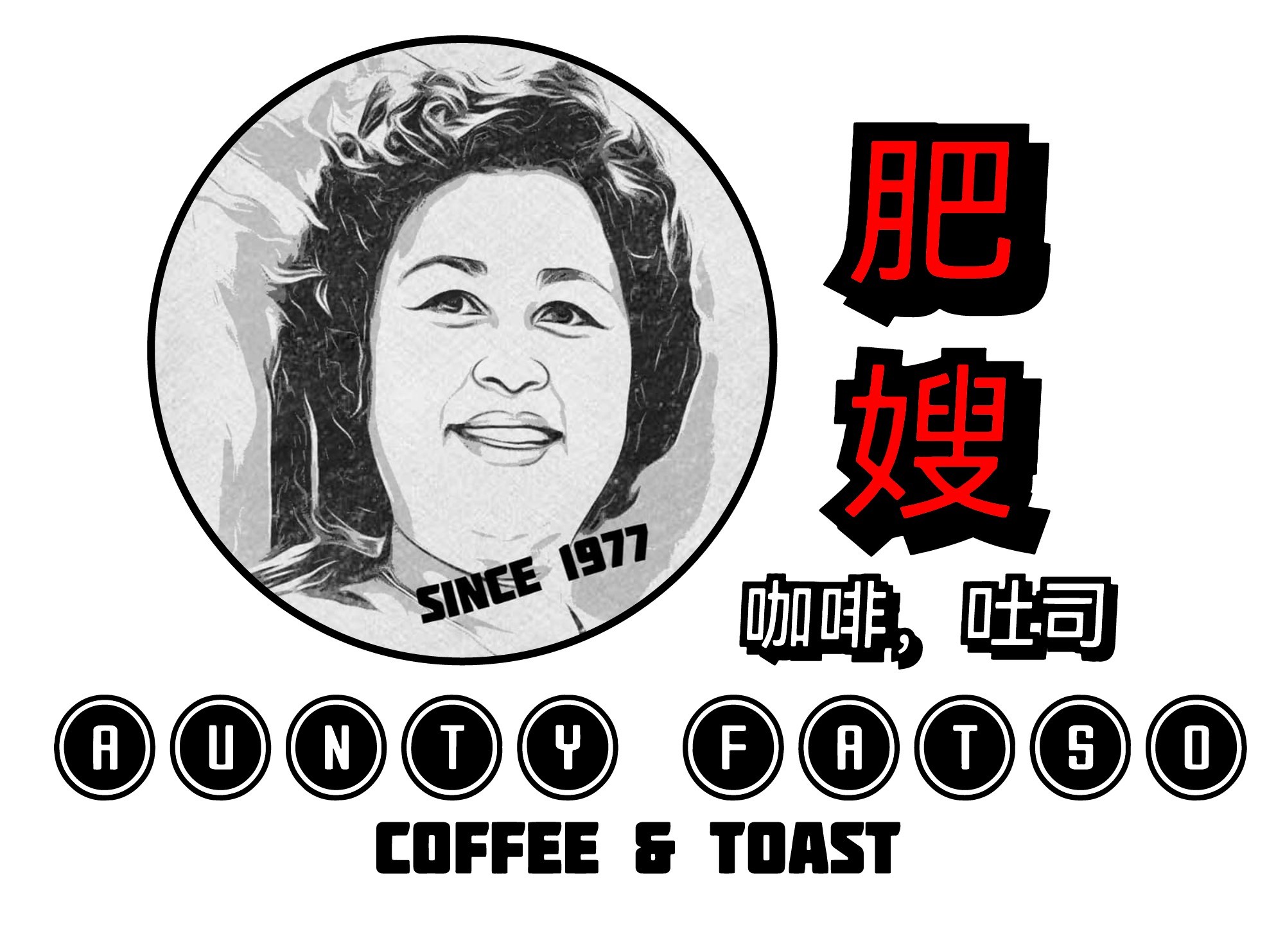
In the second phase of the project, I focused on creating an in-store history board that would capture the essence and story of the company. This involved researching themes, motifs, and visual styles that resonated with the brand’s identity and values. I explored ways to balance nostalgia and modern readability, ultimately selecting a “corkboard” aesthetic that evoked the feel of traditional note-style displays while remaining clear and engaging for visitors.
The project strengthened my understanding of how design choices can reflect a company’s heart and narrative. By carefully curating visual elements, typography, and layout, I aimed to craft a display that felt authentic, immersive, and aligned with the brand’s story. This hands-on experience reinforced the importance of empathy in design — considering not just what looks appealing, but what communicates meaning and emotion to the audience. Seeing the board installed in-store and observing how it engaged visitors was a rewarding confirmation of the project’s impact.
Takeaways from the projects
Through this project, I developed a deeper understanding of client-centered design, learning to translate abstract ideas and business goals into visual solutions that resonate with both the client and their audience. I strengthened my skills in researching brand identity and themes, understanding how subtle visual choices — from typography to layout to motif — communicate a company’s story and values. I also honed my ability to balance creativity with purpose, ensuring that design is not just visually appealing, but also meaningful and functional. Finally, seeing my work implemented in a real-world environment reinforced the importance of empathy and context in design, as every choice impacts how people experience and connect with a brand.